Bellevue Town Car
#1 Town Car Service in Eastside, WA


With Our Redmond black car service you’ll get a quiet, professional ride—plus a practical system for buffers, meet points, and pivot plans that keeps your schedule intact.
Instead of the main front curb (where rideshare queues, delivery vehicles, and security checks pile up), we use a two-step meet that’s easy to repeat:
The driver stages a minute away in a legal, calm spot (not circling).
You send one short text when you’re actually walking out.
The car rolls in for a quick, clean pickup at a quieter edge: a side drive, an outer loop, or a secondary curb line that doesn’t get clogged.
You avoid the loudest curb, the driver avoids circling, and you avoid the classic “I’m right here” confusion.
“Everyone meet by the glass lobby doors. From there, walk toward the quieter side drive (to the right) for 30 seconds. I’m in a blue jacket.”
Landmark + direction + clothing color. That’s it. Groups move faster when the instructions don’t require a phone call.
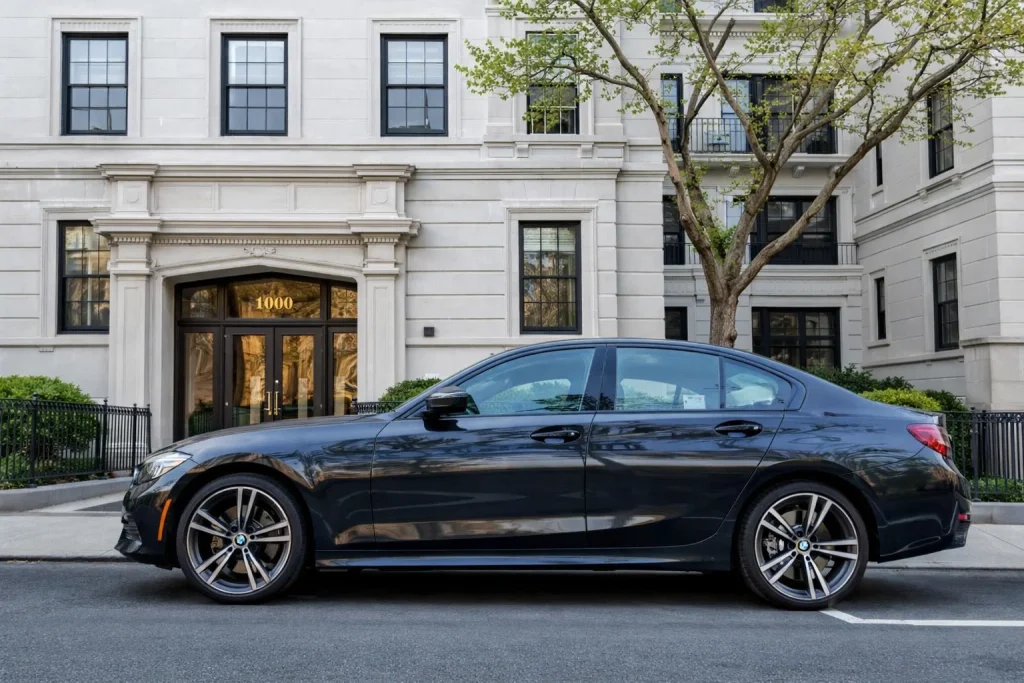
If the intended curb is blocked, we don’t “try again” three times. We switch once and finish clean:
Driver texts: “Plan B active: I’m staged at the next safe pull-in along the side drive. Same building side—follow the covered walkway and look for the black sedan at the first open curb.”
If weather is rough, we prioritize covered exits and short walking lines, even if it means repositioning to a slightly different curb.
If event control is redirecting vehicles, we use a pre-decided backup pull-in so you’re not guessing where to go.
If you only remember one thing, make it this: buffer rules beat optimism.
Morning starts: add extra minutes because commuter flow and school traffic stack early.
Late afternoons: add extra minutes because cross-Eastside movement slows and meetings often run long.
If it’s a meeting day, assume the day will resist being perfect. Build the buffer where it matters and stop playing catch-up.
Some Redmond drop-offs come with hidden time: one-way loops, garage ramps, badge-controlled lobbies, and “no stopping” enforcement.
We add a parking/access buffer that covers:
entering the correct loop (without circling)
a fast unload (no curb lingering)
repositioning to legal staging (so the car is ready for your next move)
When traffic suddenly thickens, the best plan is the one you can execute instantly:
Ahead of schedule: we stage nearby and keep the car ready.
On the edge: we flip the stop order or remove a low-priority stop.
Hard deadline coming up: we go direct, protect the anchor time, and rebuild the rest around it.
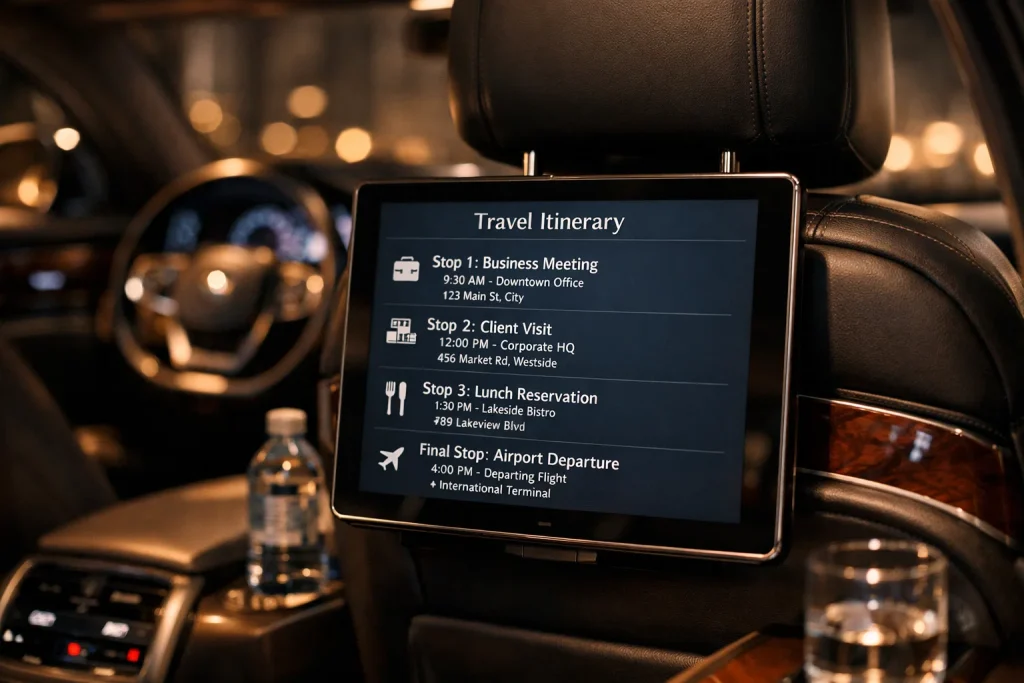
Multi-stop days work when the driver gets one clear message
Stop order + full addresses in one message
Stop 1: [Full address]
Stop 2: [Full address]
Stop 3: [Full address]
Final: [Full address]
Include the desired arrival time at the most important stop
Tell us the one stop that cannot slip:
Hard arrival: “Must arrive at Stop 2 by 3:10 PM.”
That becomes the anchor. Everything else flexes around it.
Add a 10-minute recovery block every 2–3 stops
Meetings drift. Lobbies delay. People forget bags.
Rule of thumb: add a 10-minute recovery block every 2–3 stops.
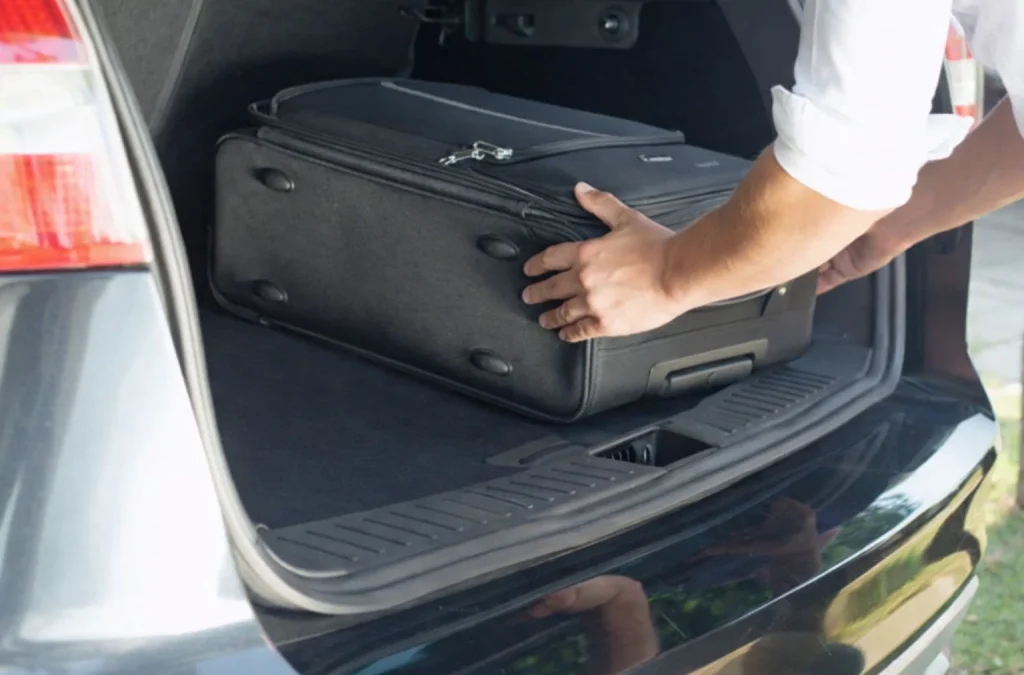
Flight number, terminal, luggage count, and a phone number
For airport pickups, send:
Flight number
Terminal (if known)
Luggage count (so we plan trunk space and load time)
Best callback number (the person who will actually answer)
Agree on a meeting script and a fallback meeting point
Even when airports are busy, pickups stay simple if the plan is decided ahead of time:
a meeting script (landmark + direction + clothing color)
a fallback point if the curb is restricted or crowded
If delayed, confirm whether to wait or adjust pickup time
Delays are normal—confusion isn’t. Text one clear instruction:
“Wait and monitor” (we track and hold)
or “Adjust pickup to [time]” (if you’re stopping, grabbing food, or meeting someone)

Quiet cabin, no questions, no small talk unless invited
Default is professional silence. You can take calls, prep, or decompress—no pressure to chat.
Low-friction confirmation texts only
You’ll get short, useful updates—nothing that creates noise:
“Arrived.”
“Staged—text when walking out.”
“Plan B active—see message.”
Privacy-first drop-offs. Discretion is also logistics:
quick pull-in
clean unload
immediate reposition
No lingering. No spotlight moments. No awkward curb blocking.

3+ stops, unpredictable end times, or meetings that slip
If timing is fluid, hourly keeps the day under control.
Short gaps between stops where returning is inefficient
When stops are close, sending the car away often creates more delay than it saves.
You want a consistent vehicle and driver all day
One driver, one vehicle, one rhythm. Less explaining, fewer mistakes, smoother da
Pickup zones / meet-point patterns (Redmond-true):
Secondary curb lines near office campus edges (avoid main rideshare curb)
High-rise loop drop-offs where staging beats circling
Hotel/business-park entrances with short no-stopping windows
Residential pickups with cul-de-sacs or narrow curb space (stage nearby, roll in when ready)
Meeting-day group pickups using a “glass lobby → quieter side drive” pattern
Popular route types (fit this city’s demand):
Airport transfers (SeaTac)
Redmond ↔ Bellevue executive trips
Redmond ↔ Seattle business meetings / dinners
Eastside multi-stop itinerary days (office → lunch → meeting → airport)
Event nights (arenas, shows, team games)
Ferry connections (Seattle ferry terminals as a general use-case)
Mountain day trips (winter conditions matter—visibility + timing)
Hotel-to-client-site shuttles for visiting teams
Timing realities (accurate + practical):
Morning + late afternoon are the windows that most often need extra buffer.
Airport pickups can compress curb time and increase walking/meeting complexity when terminals are crowded.
Friction + fix: Loop/curb congestion → stage-first pickup + “walking out” trigger + Plan B.
Booking clean-up: Use the mini-checklist above.
Use a two-step meet: we stage nearby, you text “walking out,” and we roll in for a short curb window. No circling, no guessing, no three-minute curb negotiations.
We anchor the hard deadline stop, add a recovery block every 2–3 stops, and keep a pivot plan ready (flip stop order or go direct when timing tightens).
Yes. We keep instructions simple: correct entrance, quick curb time, and staging that avoids blocking. If access changes, we switch to Plan B without making you troubleshoot curb logistics.
A single meetup script with a clear landmark, a short direction, and a clothing color. Groups move faster when the instructions are “one text, done.”
Flight number + luggage count + who to call + the meetup script (plus a fallback point). That prevents last-minute confusion when the curb is crowded