Bellevue Town Car
#1 Town Car Service in Eastside, WA


Shoreline black car service experience is the one you don’t notice: the pickup is quiet, the timing feels automatic, and the driver already knows what “the right side of the house” means without you repeating it twice. We run Shoreline trips with a simple goal smooth, low-noise driveway pickups and clean airport execution, whether you’re headed south to SeaTac, meeting colleagues on the Eastside, or coordinating a late-night return that doesn’t turn into a parking-lot chase.
You’ll get a professional chauffeur, a vehicle that fits the real luggage count (not the optimistic one), and a pickup plan built for neighborhoods where narrow streets, steep driveways, and late-night lighting can turn “easy” into messy unless you plan it right.
Premium Black Car Service Across All of Shoreline’s Neighborhoods From the gated estates of The Highlands and the waterfront homes of Richmond Beach, to Richmond Highlands, Innis Arden, Haller Lake, and Highland Terrace Bellevue Town Car serves every corner of Shoreline, WA. Situated approximately 9 miles north of Downtown Seattle. Shoreline is ideally positioned for both quick city runs and smooth SeaTac Airport transfers, and we know every route in and out.
For busy nights or crowded entrances, use this simple pattern: choose a pickup point one short block away on a calmer side street where the driver can stop legally, keep traffic flowing, and load quietly. The idea is to avoid the loudest curb area (where everyone else is stopping, waiting, honking, and re-circling).
If the curb/driveway is blocked, we switch to a “Plan B” that keeps everything simple:
Primary point: your chosen curb/driveway spot.
Backup point: the first legal stopping area 30–90 seconds away (usually the nearest wider segment of road or a safe corner).
You get one message: “Switching to Backup Point B—arriving in 2 minutes.”
If weather is rough (rain/ice), we prioritize minimal walking + better traction + better lighting, even if it’s not the closest spot.
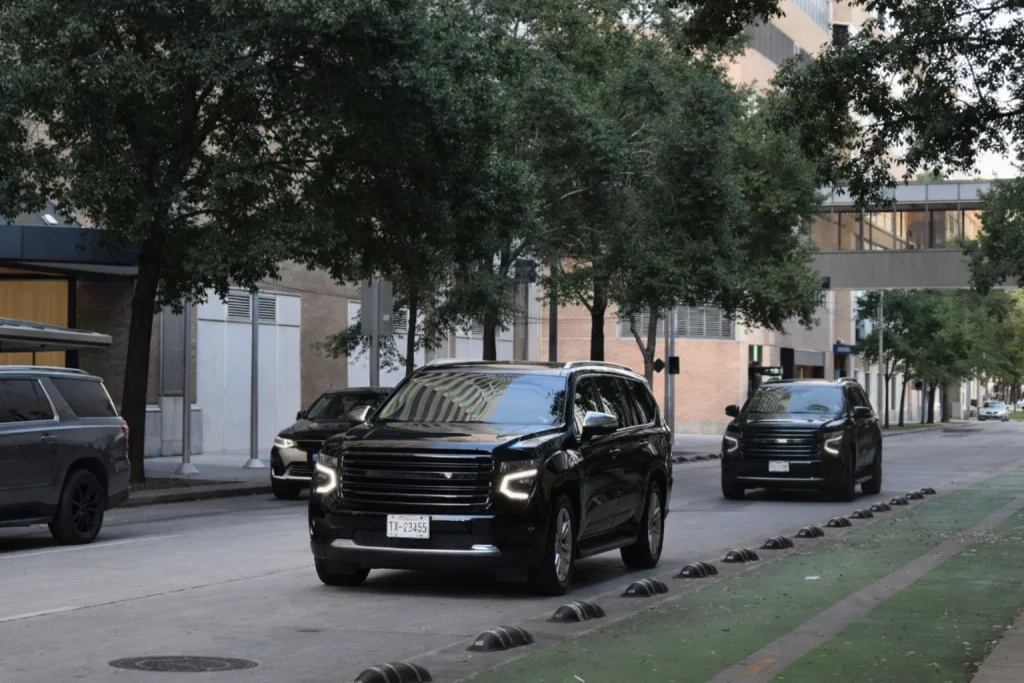
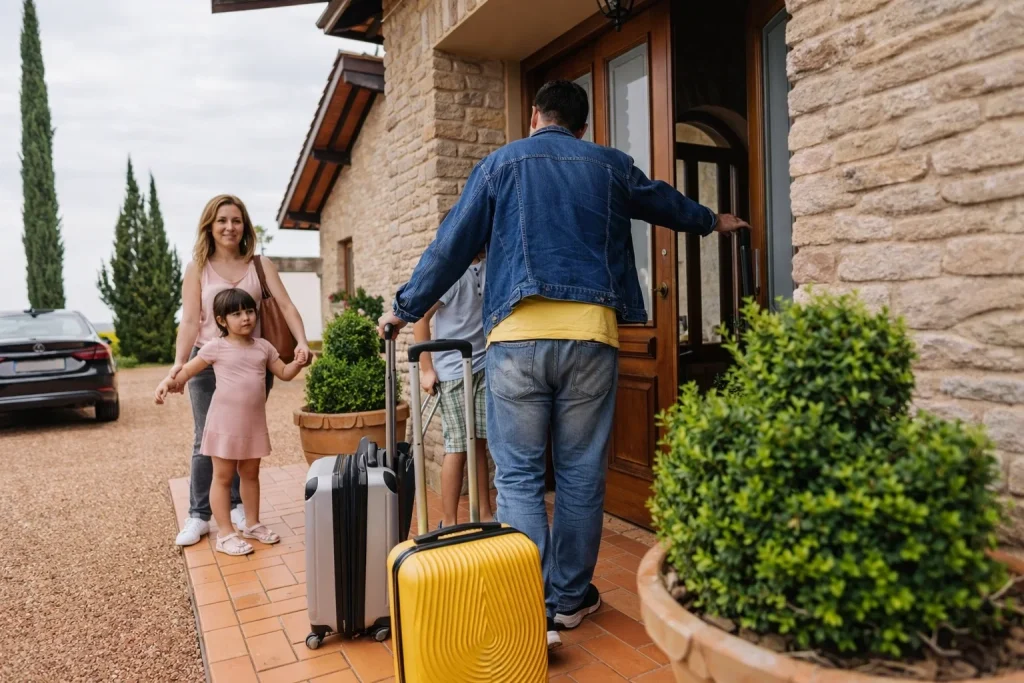
A clean airport run starts with three details:
Airline/terminal (so the drop-off is correct)
Real bag count (including carry-ons, garment bags, and “one small stroller” that’s never actually small)
Door/entrance note (front door vs side door vs garage door, gate code if needed, and which driveway pad is safe)
If your home has tight maneuvering, mention it once: “Narrow driveway—please pull forward to load quietly.”
or airport pickups, the smoothest sequence is:
Landing (you don’t need to text yet)
Baggage claim (grab bags)
Text us when you have bags and are walking out
Meet at the agreed point (simple, calm, fast load)
This avoids the common problem: you text too early, then wait in a crowded zone while timing drifts
If traveling with kids: add 10 minutes for transitions
Driveway pickup is best when:
luggage loading needs a stable surface
you want quiet, private entry
you’re leaving early/late and want minimal curb exposure
Curbside is better when:
the driveway is steep/tight or hard to turn around
street lighting is better than the driveway
you want the fastest in-and-out with a clear stop
We’ll recommend the safer option based on your notes—because the “closest” spot isn’t always the smartest one.
Shoreline nights can be dark in residential pockets. To keep it smooth:
turn on porch or driveway lighting
include house number visibility (“house number is on the mailbox”)
if you’re meeting curbside, choose the side with better lighting and less traffic flow
Blocked curb happens—delivery trucks, rideshare pileups, cones, or a neighbor’s moving van. Your fallback should be:
a safe corner or wider shoulder area
within a 1–2 minute walk max
easy to describe in one text
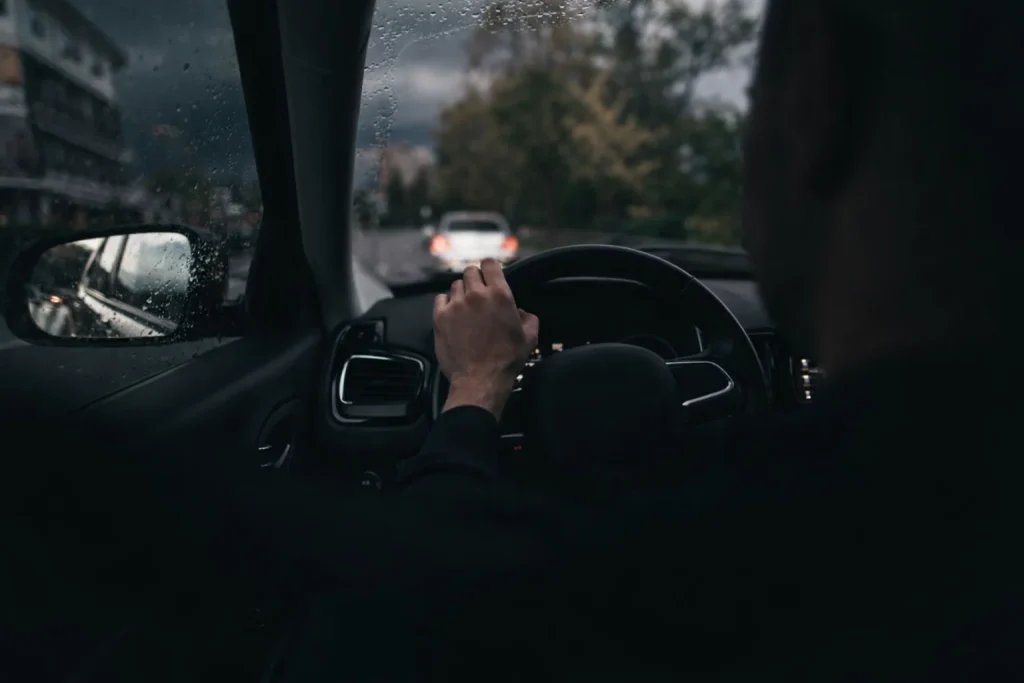
The loudest curb is where people argue with apps and cars double-park. One block away:
reduces noise and congestion
gives the driver a clean stop
makes the pickup feel like a professional handoff, not a scramble
Group text script: “We are at X, facing Y, wearing Z.
When a curb is high-control or crowded, circling creates chaos. We’ll do this instead:
wait at the primary point briefly
if the pickup becomes unsafe/blocked, we move to the backup point
we send one clear message with the new location
This protects timing and keeps the pickup calm
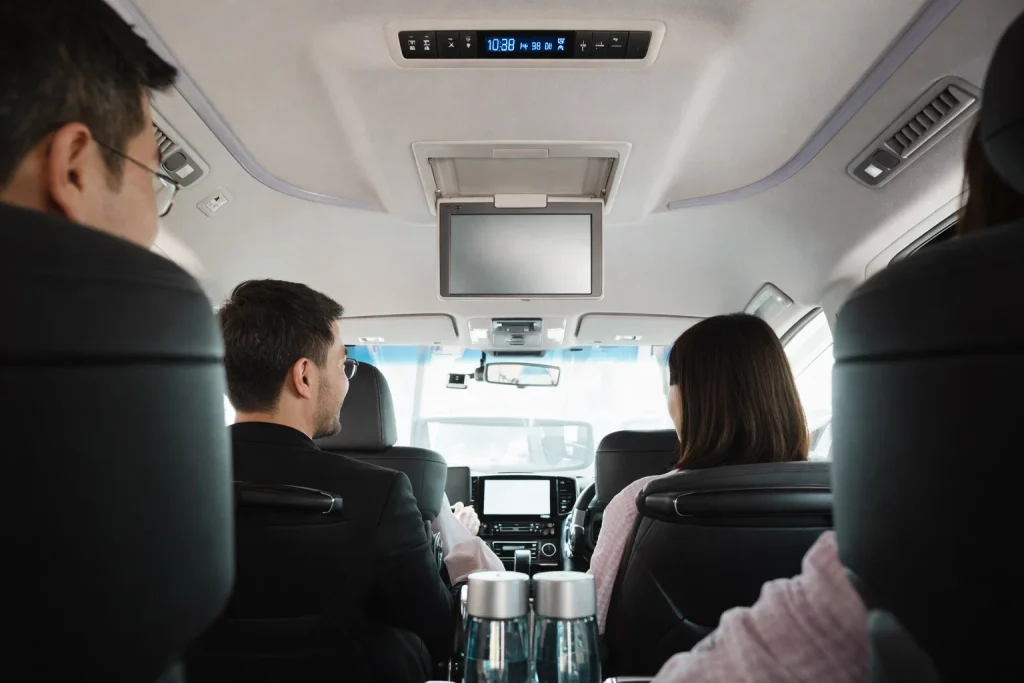
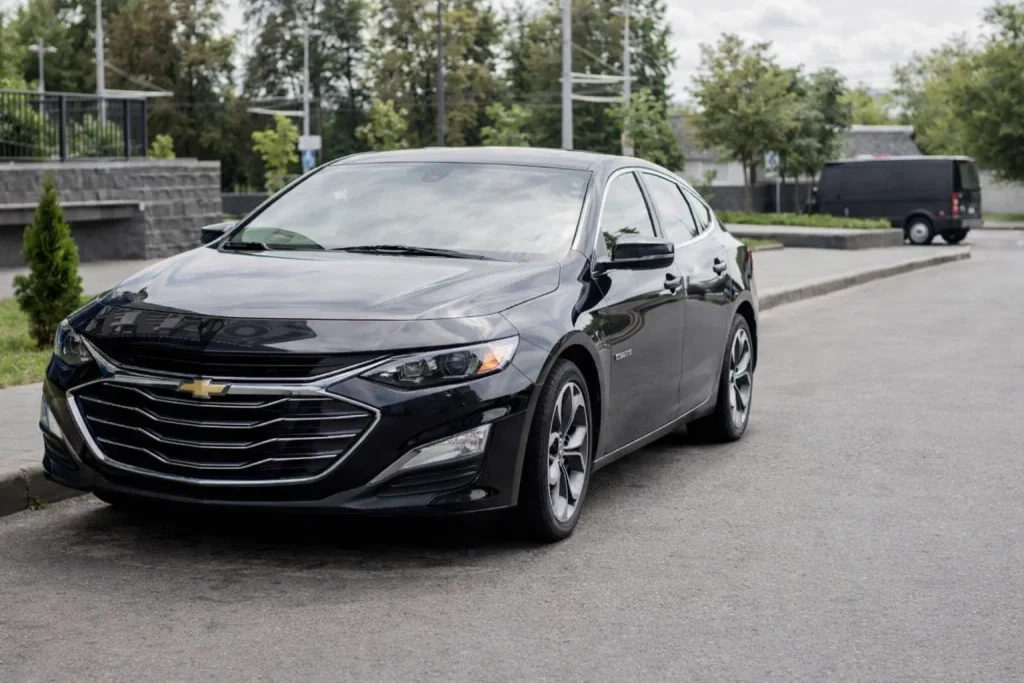
Sedan: 1–2 adults, light bags
Best for solo trips or two adults with normal luggage. Clean, quiet, efficient—especially for early airport runs.
SUV: 2–4 with luggage or comfort priority
The Shoreline favorite when luggage counts are honest. Better space, easier loading, and more comfort for longer drives.
Van: 5+ or bulky gear (strollers, skis, coolers)
If you have a group, kid gear, or big items, choose the van. It prevents the classic mistake: “We’ll squeeze” (and then you can’t).
Quiet residential driveway pickups with porch-light confirmation and clear house-number visibility
Side-street meet points one short block off the busiest curb area (clean stop, quieter load)
Wider arterial “pull-in” stops when driveways are steep/tight and turnaround space is limited
Two-household coordination (neighbor/family stops) with a fixed order to prevent timing drift
Low-noise late-night returns using well-lit corners that avoid repeated re-circling
Airport runs (SeaTac departures and arrivals)
Eastside business trips (Bellevue/Redmond meetings)
Downtown Seattle dinners and late-night returns
Cruise-day transfers with luggage-heavy loading
Concert/sports nights with pickup-window planning
Ferry connections (with schedule variability planning)
Mountain day trips in winter (visibility + traction mindset)
Multi-stop family days (school, appointments, errands) without schedule drift
Peak windows create unpredictable slowdowns—plan buffers during common commute pressure so you don’t “arrive stressed.”
Airport terminal areas can get crowded fast, especially around flight banks—your best defense is texting after baggage and using a clean meet point, not hovering early.
Friction: Narrow residential streets with heavy curb parking can make curbside loading awkward and noisy.
Fix: Default to driveway pickup when safe; if not, use a nearby legal pull-in and a single group text script so loading is fast and calm.
Discreet Black Car Service for Shoreline’s Premier Neighborhoods The Highlands is a 400-acre gated community of palatial estates, created in 1907 and designed to integrate with the natural woodland setting while offering breathtaking views of Puget Sound. Innis Arden is equally prestigious. Residents of these communities expect a level of discretion and quality that matches their neighborhood and that’s exactly what Bellevue Town Car delivers.
Send the pickup address, entrance note (which door), passenger + bag count, driveway vs curb preference, and a backup contact. If it’s an airport run, add airline and time.
Request them in advance so we can plan the correct seat type and install time. If you already have your own, tell us the seat style so we budget a few extra minutes for a smooth load-in.
We match to real luggage volume, not just passenger count. Two adults with bulky luggage often need an SUV; families with strollers or gear may need a van even with fewer adults.
Plan a buffer for traffic and terminal variability—especially during commute pressure. If you’re traveling with kids or extra bags, add time for transitions and loading.