Bellevue Town Car
#1 Town Car Service in Eastside, WA


If you’re booking a premium ride in Lynnwood, the goal is simple: clean timing, a calm pickup, and zero “where are you?” drift. Our Lynnwood black car service is built for airport runs, client sites, multi-stop days, and late-night returns—handled with clear confirmations, quiet-cabin standards, and flexible meet-point choices when curbs get messy.
You’ll get a professional chauffeur, a polished vehicle, and a plan that holds even when traffic or access changes.
Long-distance pickups (or any pickup where “we’ll be out in a minute” turns into 12) fail for one reason: the meetup details aren’t locked. Our Lynnwood protocol prevents drift with a simple confirmation rhythm that keeps everyone aligned.
Instead of waiting on the most obvious curb, we use a “predictable pull-off” pattern:
Choose a side-lane pull-off or short driveway-style approach near the destination (not the main frontage curb).
Pick a spot with one clean car-length of space so the vehicle can stop without blocking traffic.
Confirm a single direction cue (for example, “north-side pull-off” or “service-lane side”) so the group doesn’t spread out.
This avoids the busiest curb where cars stack, security moves people along, or rideshare traffic creates noise and delays.
If curb access is blocked, we switch fast—without debate:
Plan B meet point: move 200–600 feet to a quieter pull-off (same side if possible).
One-message confirmation: driver sends the updated landmark + direction.
Weather or visibility adjustment: if it’s heavy rain or low visibility, we prioritize the closest safe stop where the group can wait under cover.
No-circling rule: we avoid repeated loops. One reposition, one confirmation, then a clean pickup.
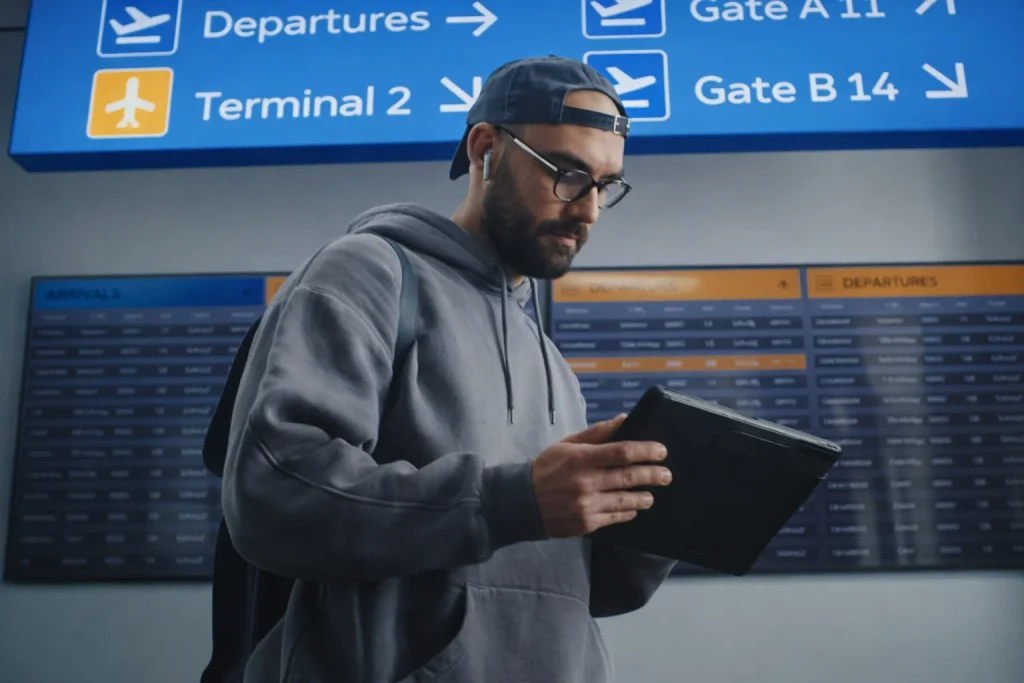
The night before, send one message with:
Pickup address (include unit/entrance notes)
Drop-off address or terminal (if airport)
Passenger count + luggage count
Any “must-arrive-by” time
This prevents morning edits that cause delays.
Lynnwood corridors can compress fast during peak windows. Add a buffer once (we’ll help you pick it), then treat the schedule as handled. The mental win is not checking maps every 3 minutes.
A single line is enough: “If the main corridor slows, take the alternate arterial route—arrival time matters more than the ‘fastest’ route.”
That lets the chauffeur choose the smooth option without a back-and-forth.
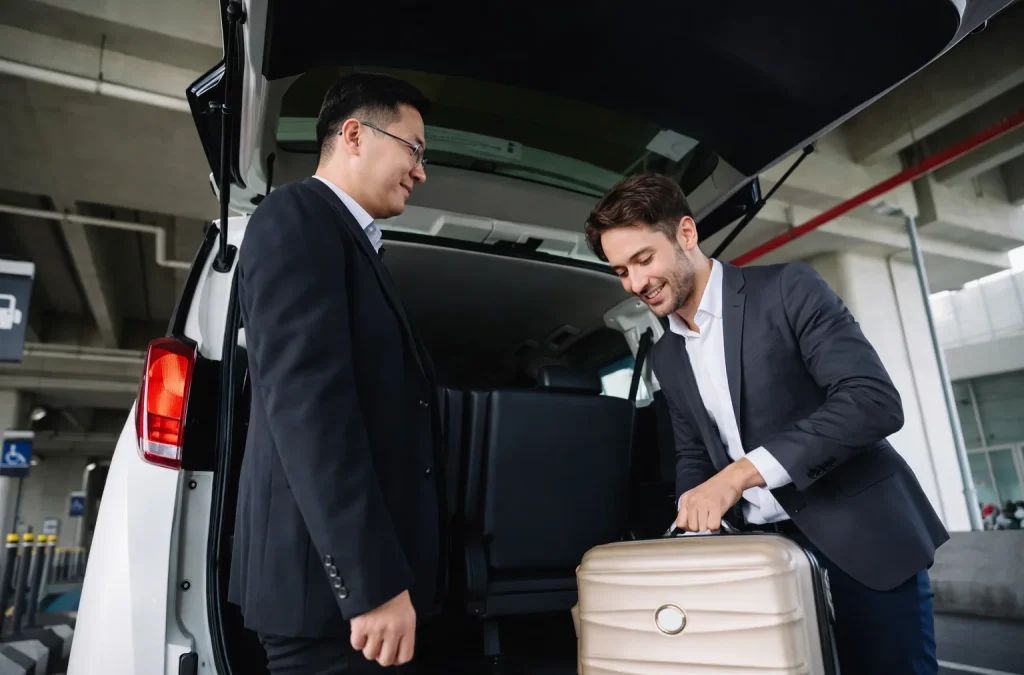
In Lynnwood, the most reliable pickups are usually:
Quiet side-street pull-offs near busy entrances
Short driveway approaches where the vehicle can stop cleanly
Low-traffic corners that keep passengers out of the flow
The best meet point is the one that’s easy to describe and easy to hold.
Use the script from the Local Spotlight section. If you’re coordinating multiple people, consistency beats creativity.
Every pickup should have:
Primary meet point (simple, visible)
Fallback meet point (quieter, safe, easy to reach)
If anything changes, we move to Plan B immediately.
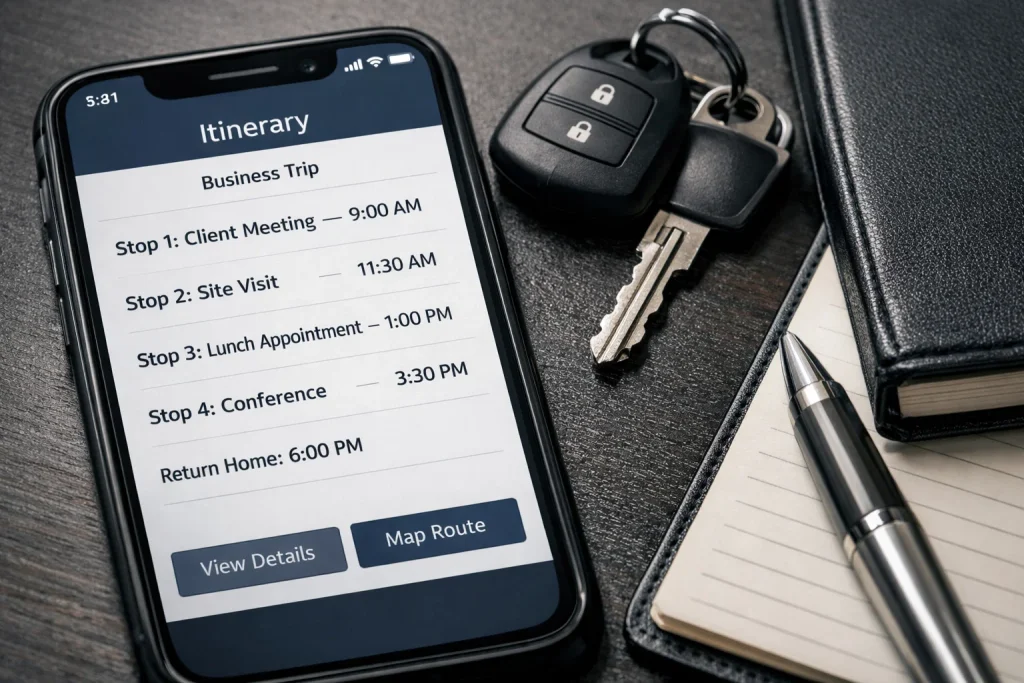
Send your itinerary like this:
Stop 1 – Address
Stop 2 – Address
Stop 3 – Address
Add any notes like “rear entrance” or “call on arrival.”
Tell us which stop is non-negotiable:
“Hard time: meeting at 2:00 PM”
“Hard time: flight departure”
Everything else flexes around that anchor.
Multi-stop days run late because tiny delays stack. Add 10 minutes recovery every 2–3 stops and your schedule stops bleeding.
For late-night returns, we choose a meet point that’s:
Well-lit
Easy to describe
Minimal walking
No one should wander looking for the car.
We use a simple rhythm:
Update at 10 minutes out
Update at 3 minutes out
So you can step out at the right time—no waiting in the cold
If phones die, the pickup dies—unless there’s a backup. Provide:
One alternate contact number or
A single person designated as the coordinato
Side-street pull-off near a busy entrance (avoid the main curb)
Short driveway-style approach where the vehicle can stop cleanly
Covered entrance or sheltered edge for rainy-day pickups
Quiet corner pickup with one direction cue (north/south side)
“Plan B” reposition 200–600 feet to reduce congestion
Airport transfers (SeaTac)
Corporate / client-site runs (Eastside and Seattle core)
Evening events and dinners
Cruise or ferry-area transfers (timing-dependent)
Medical appointments and early-morning check-ins
Long-distance runs for meetings or family trips
Multi-stop shopping / errands days
Mountain day trips (seasonal timing and conditions apply)
Ferry plans need sailing variability + boarding/unloading time (it’s not “just traffic”).
Terminal approaches can bottleneck fast; terminal congestion makes “arrive early” smarter than “arrive exactly on time.”
Friction: boarding lines and staging lanes create slow movement, and drivers who enter too early get trapped—leading to circling or late pickups.
Fix: we stage outside the pinch point, wait for your “ready” text, then do a single clean approach with a pre-chosen landmark and a backup pivot.
“Terminal pickup” + target sailing window
passenger count + luggage count
meetup landmark + clothing color (groups)
best callback number + backup contact
any constraints (child seat, bulky gear, tight deadline)
We designate one coordinator (or a backup contact), use a single meetup script, and send timed ETA updates. If the curb is chaotic, we switch to the pre-agreed fallback meet point and confirm it in one message.
Yes—just text luggage count and what kind of items (extra suitcases, equipment cases, bulky bags). We’ll match the right vehicle so you’re not squeezing or stacking unsafely.
Avoid the obvious curb. Use a predictable pull-off nearby with one direction cue, then keep a fallback meet point ready. This reduces looping and makes the pickup faster and calmer.
We pick a well-lit meet point with minimal wandering, provide ETA updates at 10 and 3 minutes out, and keep a backup contact option so the pickup doesn’t fail if someone’s phone dies.
For peak periods, add a buffer that protects your “hard time” stop. If you tell us your must-arrive time, we’ll recommend a practical buffer so you don’t leave it to chance.